
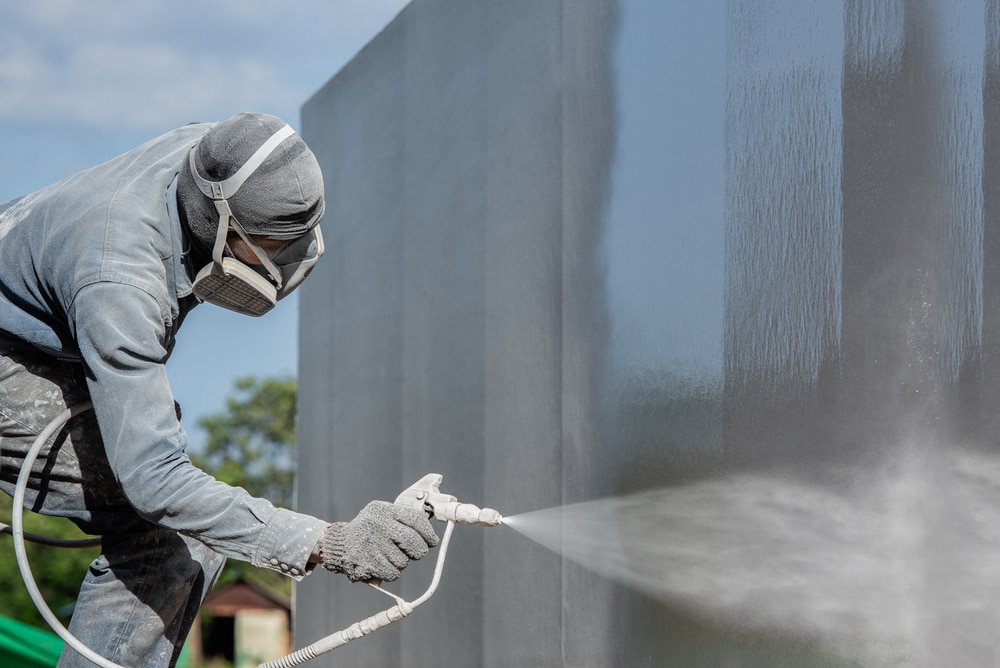
Building performance relies heavily on how effectively a structure manages heat transfer, air leakage, and environmental exposure. The primary thermal boundary or envelope acts as the protective shield between conditioned interior spaces and fluctuating outdoor climates. Applying advanced ceramic technology directly to structural surfaces creates a seamless barrier that eliminates energy loss, controls condensation, and protects building materials from long-term wear.
When air escapes through porous substrates or tiny gaps, mechanical systems must work harder, driving up utility expenses and accelerating equipment wear. Upgrading building assemblies with high-performance coatings stabilizes interior temperatures while protecting structural assets. Discover how ThermaCote delivers long-term protection and energy efficiency for your structure via thermal envelope products by contacting us today!
Key Takeaways
- A continuous thermal barrier eliminates air leaks and reduces strain on HVAC systems.
- Advanced ceramic technology reflects solar energy and minimizes heat transfer.
- Sealing porous substrates prevents corrosion, condensation, and structural decay, and air and moisture intrusion.
- Eco-friendly acrylic formulations deliver ultra-low VOC performance for safer indoor air quality.
Understanding the Role of Primary Thermal Envelopes
A thermal building envelope consists of all external components—including walls, roofs, foundation assemblies, and specialized coatings—that isolate a conditioned interior from external temperatures. When these boundaries are compromised by degrading insulation, air leaks, or thermal bridging, energy efficiency drops significantly. Sealing these continuous surfaces maintains indoor comfort and reduces operational overhead.
Traditional batt or rigid insulation often leaves micro-gaps around fasteners, seams, and structural joints. Adding a spray-applied thermal barrier coating seals these vulnerabilities, reinforcing the building envelope against unwanted thermal conduction.
| Feature | Standard Insulation Alone | Standard Insulation + ThermaCote |
| Air Leakage Control | Vulnerable at seams and fasteners | Seamless, continuous seal |
| Solar Reflectance | Low to moderate | High solar reflectance and emittance |
| Moisture & Corrosion Defense | Allows moisture migration | Breathable vapor control prevents rust |
| Environmental Impact | Varies by material | Ultra-low VOCs (5.3 g/L) |
Key Benefits of Ceramic Barrier Spray Applications
Integrating advanced ceramic sprays into structural assemblies transforms simple building surfaces into active heat-shielding boundaries. The unique water-based acrylic formulation applies smoothly and looks like standard latex paint while providing thermal resistance and corrosion protection.
- Solar Heat Reduction: High solar reflectance and thermal emittance reduces absorbed radiant solar heat gain in exterior walls and roofs.
- Moisture Management: A breathable vapor barrier reduces internal condensation, preventing mold growth and material deterioration.
- Substrate Protection: Applying protective barriers seals porous concrete, metal, and wood against weathering, abrasion, and thermal expansion stress.
- HVAC Load Relief: Decreasing indoor temperature swings allows heating and cooling equipment to run less frequently, extending mechanical lifespans.
Streamlined Installation for Retrofit and New Construction
Applying protective coatings requires minimal structural modification, making it ideal for both original construction and building retrofits. The high-volume solids formulation ensures minimal shrinkage during curing, leaving a thick, durable protective layer over clean, dry substrates.
Heavy-duty airless equipment easily handles the application, creating a smooth finish that dries quickly. Proper surface preparation ensures maximum adhesion across metal roofing, HVAC ductwork, concrete walls, and interior partitions.
Frequently Asked Questions
What is a primary thermal envelope in building design?
The primary thermal envelope encompasses all continuous outer boundaries of a building—walls, roof, floor, and specialized coatings—that regulate heat flow between the interior and exterior environments.
Can ThermaCote be applied over existing insulation?
Yes, applying the coating over aging or degraded insulation restores energy performance by sealing air gaps, preventing energy escape, and shielding underlying materials from environmental damage.
How does a ceramic thermal coating prevent thermal bridging?
Ceramic coatings form a continuous layer across structural framing, metal fasteners, and seams, stopping heat from transferring directly through conductive building materials and encapsulating the heat that does get in.
Is ThermaCote(R) suitable for indoor applications?
Yes, the water-based acrylic formula is tested annually for IAQ in classrooms and offices and releases ultra-low VOCs (5.3 g/L), making it safe for interior walls, ceiling assemblies, and ductwork in commercial and residential spaces.
Reinforcing structural boundaries with advanced thermal coatings keeps utility costs low, protects building assets, and creates healthier indoor environments. Whether you are upgrading an older commercial facility or designing a modern residential space, sealing your building assemblies ensures long-term efficiency and durability. Explore the complete product lineup at ThermaCote to find the right thermal insulation solution for your next building project.